Every Kenyan business owner asking for a website eventually faces the same question: which platform? The answer usually comes down to three options — WordPress, Laravel, or Next.js — and they are not interchangeable. Choosing the wrong one means paying for features you do not use, or worse, outgrowing the platform six months after launch. This guide compares them on what actually matters: cost, control, speed, and who will maintain it.
WordPress: the content default
WordPress is a PHP content management system. It powers more than 43% of all websites, and for good reason: it is fast to launch, cheap to host, and non-technical teams can edit content without touching code. Thousands of themes and plugins mean you can add booking, forms, or a shop without building from scratch. The trade-off is flexibility. Deep customization fights the platform, plugin updates can break things, and performance depends heavily on hosting quality. Best for: small business sites, blogs, portfolios, content-heavy sites, and teams that need to self-manage content.
Laravel: the application default
Laravel is a modern PHP framework for building custom web applications. You get total control over routes, database design, and business logic. There is no admin dashboard at install; every feature is built or configured by a developer. That means higher upfront cost and a longer timeline, but no plugin vendor deprecating a feature you depend on and no theme update breaking your layout. Technical SEO elements — canonical tags, schema, redirects, Core Web Vitals — can be engineered to exact specification. Best for: custom web applications, marketplaces, dashboards, and anything WordPress cannot express.
Next.js: the interactive default
Next.js is a React framework for building fast, interactive web applications and SEO-friendly sites. It renders on the server and hydrates on the client, so pages load quickly and search engines can crawl them. It is the right choice for dashboards, SaaS products, member portals, and anything with complex client-side interaction. It is also the most expensive to build because it requires specialized frontend engineering. Best for: web apps, SaaS, interactive tools, and brands that need a highly polished digital product.
How to decide
Pick WordPress if you need a site up this month, your team will edit content, and your budget is tight. Pick Laravel if you are building an application with custom logic and you want to own the code long-term. Pick Next.js if the product is interactive, real-time, or a digital experience where every millisecond of load time matters. Do not pick Next.js for a brochure site; do not pick WordPress for a logistics platform.
Cost reality in Kenya
WordPress launches fastest and cheapest, but ongoing maintenance — updates, security, plugin compatibility — is real work. Laravel costs more upfront but maintenance is predictable once stable. Next.js costs the most to build and typically the most to host. A Kenyan SME should rarely start with Next.js unless the product demands it.
The maintenance question
The most important question is not which stack is "best"; it is who maintains it after launch. A WordPress site abandoned for a year breaks. A Laravel application needs dependency updates. A Next.js app needs dependency and framework updates. Pick the stack your maintenance plan supports.
Where to go next
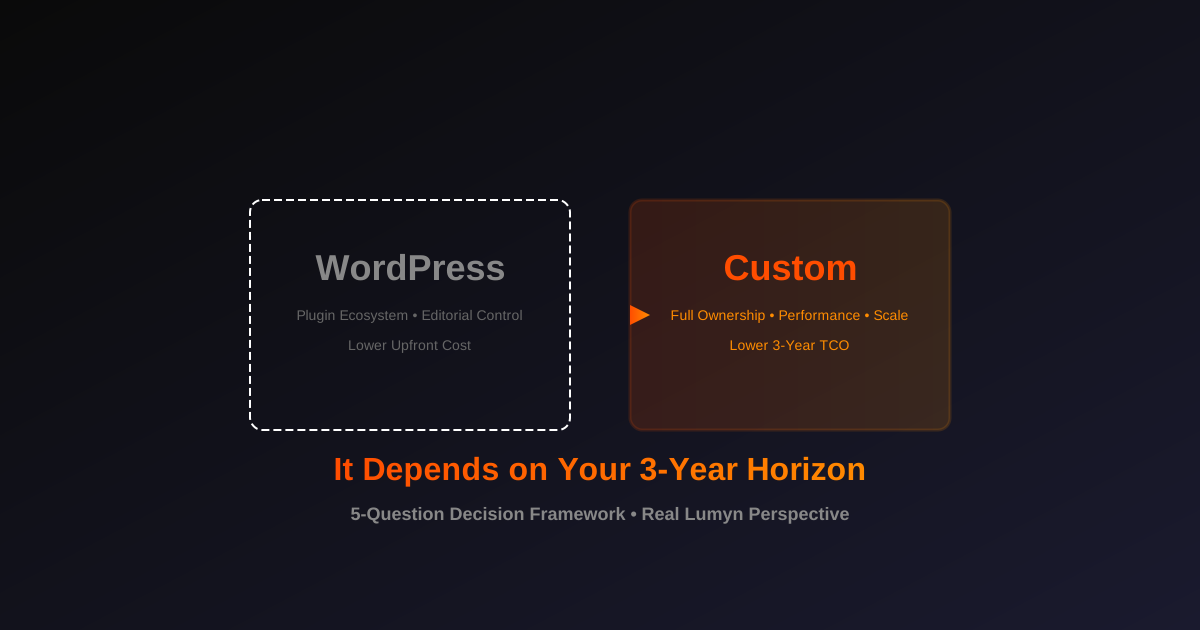
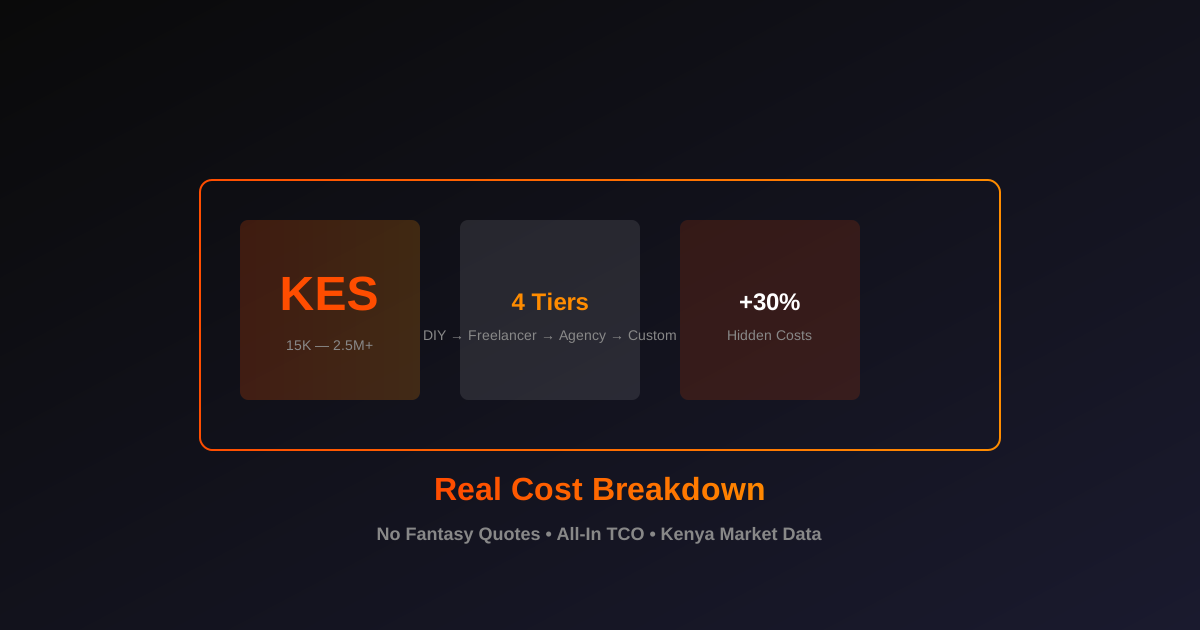
If you are still unsure, our guide to custom website vs WordPress covers the build-versus-CMS decision, how to choose a web development company helps you pick a team, and what a website costs in Kenya breaks down pricing.
Build what comes next
Want to explore what these ideas could mean for your business? Start a conversation with our team.